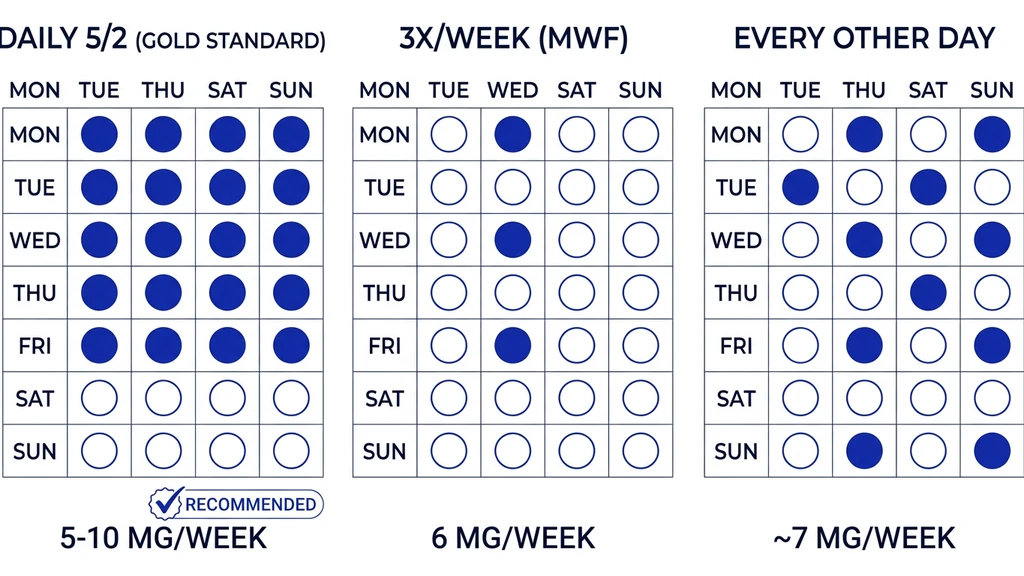
This content is for research and informational purposes only Common Research Doses Low (1.0mg / 1000mcg): Often utilized in conservative or localized skin remodeling trials, where lower concentrations effectively stimulate basal cell regeneration, elastin production, and fibroblast activity.[1] Mid (2.5mg / 2500mcg): The standard median dosage in systemic literature, frequently cited in in vivo protocols observing significant upregulation of angiogenesis, collagen synthesis, and the modulation of systemic inflammatory pathways.[2] High (5.0mg / 5000mcg): The upper threshold typically reserved for severe acute injury models, such as accelerated burn/scald wound healing, or larger animal models requiring a robust systemic delivery of the copper-peptide complex.[3] Frequency of Administration In experimental systemic protocols, GHK-Cu is most commonly administered once daily
Ann Intern Med 2018;168:5262
TB-500 increases our bodys response to actin by increased reception of the protein by the peptide segment (17)LKKTETQ(23)
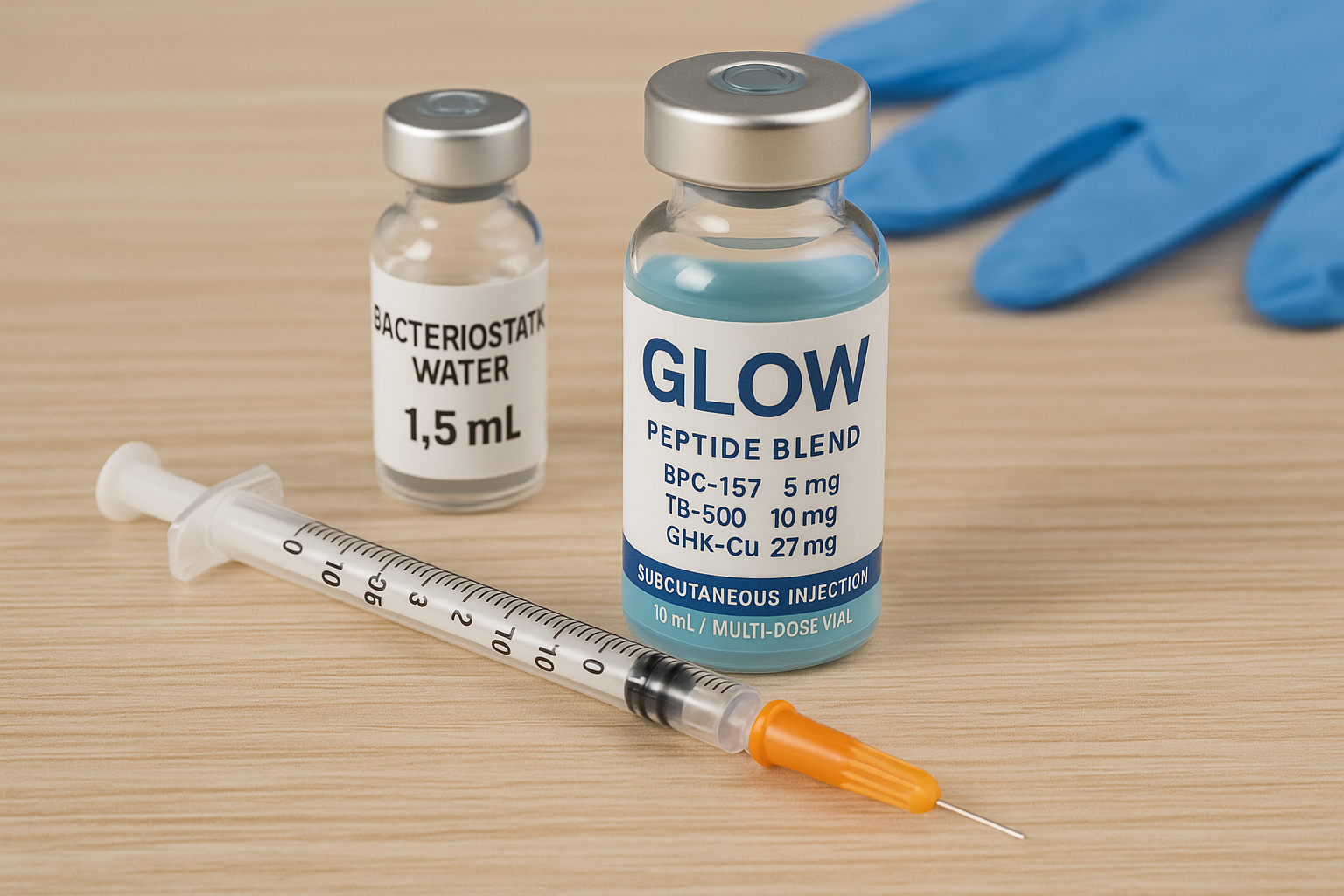
KLOW adds KPV to the GHK-Cu, BPC-157, and TB-4 combination used in GLOW
Key Improvements Over GHK-CU When to Choose SRCP Over GHK-CU SRCP formulations excel in specific situations where first-generation copper peptides fall short